
How to Choose Condolence Gifts With Care
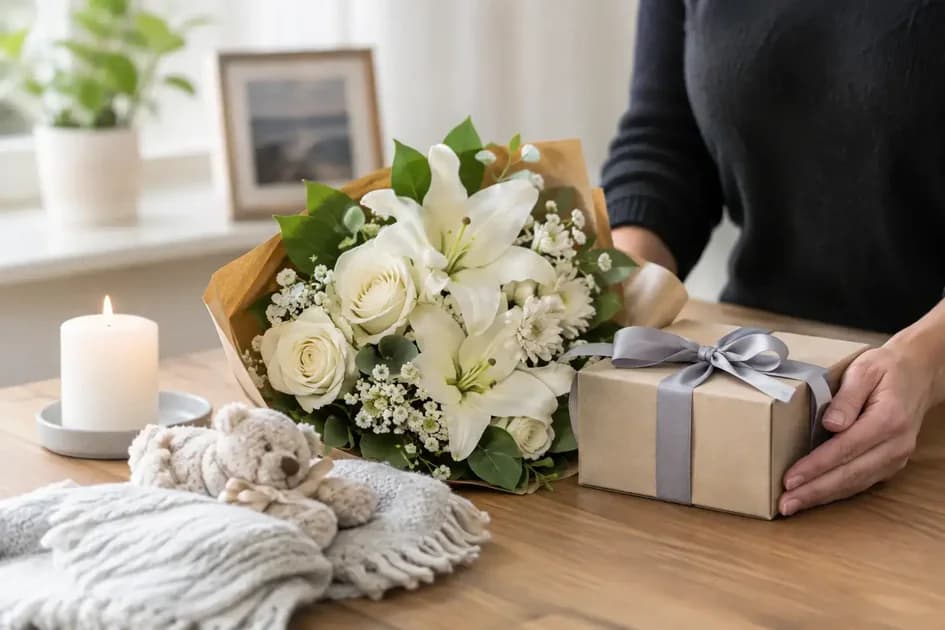
A condolence gift is not meant to make grief disappear. Its purpose is quieter: to let someone know they are remembered, supported, and not expected to carry a difficult time alone. Learning how to choose condolence gifts starts with that intention, not with finding the biggest or most expensive item.
When words feel inadequate, a thoughtful delivery can offer practical comfort and a gentle reminder of your care. The right choice depends on your relationship with the recipient, their family’s traditions, and what will feel helpful in the days ahead.
Start With What the Family May Need
Grief often changes the rhythm of a household. There may be visitors to receive, arrangements to make, children to care for, or simply very little energy left for everyday tasks. A gift that reduces one small burden can be especially meaningful.
A fruit basket, for example, offers something fresh and easy to share with family members and guests. A carefully selected food hamper can be practical for a home where meals and grocery shopping have slipped down the priority list. These choices are warm without requiring the recipient to respond, prepare anything, or display a keepsake before they are ready.
Flowers can also be a fitting expression of sympathy, particularly when you want to send a message of peace, remembrance, or support. For a home delivery, choose an arrangement that feels calm rather than celebratory. Soft whites, creams, greens, and gentle pastel shades are often appropriate, though cultural and personal preferences should always come first.
If you know the family well, think about their daily routines. A tea and snack gift, nourishing fruit, or a modest basket of comforting essentials may be more useful than a decorative item. The most thoughtful condolence gifts meet the moment instead of asking the recipient to make room for one more thing.
How to Choose Condolence Gifts by Relationship
Your closeness to the person grieving helps guide the tone and size of the gift. There is no fixed rule, but a gift should feel sincere and proportionate rather than overly formal or unexpectedly extravagant.
For a close friend, partner, or immediate family member, it may be appropriate to send a more substantial fruit or food basket, along with a personal message. You may also choose something that reflects what they enjoy, such as their preferred tea, simple treats, or nourishing items for the household. Familiarity can be comforting when everything else feels unfamiliar.
For a coworker, client, neighbor, or acquaintance, a simple floral arrangement or a modest shared basket is usually a respectful choice. It acknowledges the loss without placing pressure on the recipient. If the loss affects a colleague’s family, consider sending the gift to their home rather than their workplace, unless you know they would prefer otherwise.
When sending on behalf of a group or company, select a polished, shareable gift. A fruit basket or sympathy hamper can represent collective care while remaining appropriate for a family receiving many messages. Keep the card message warm, brief, and signed clearly by the team or organization.
Respect Faith, Culture, and Family Traditions
Condolence customs vary widely. A gift that is welcomed by one family may not be suitable for another, so a little care before ordering matters.
If you know the family’s faith or cultural background, let that inform your choice of flowers, food, and presentation. Some traditions have specific colors associated with mourning. Others may prefer charitable gestures, food for visitors, or no gifts at all. Dietary requirements also matter. Avoid alcohol, pork-based products, or other items that may conflict with religious practices unless you are completely certain they are welcome.
When you are unsure, a fresh fruit basket is often a considerate, versatile option. It is practical, easy to share, and generally suitable for many households. You can also ask a close family member, mutual friend, funeral home, or religious representative if there are preferences you should know about.
Timing matters too. Some families may appreciate flowers sent to a service, while others prefer a gift delivered to the home after the initial days of mourning. If a funeral has already passed, your gesture is not late. In fact, support often means the most once the immediate rush of calls, visitors, and arrangements has quieted down.
Choose Comfort Over Celebration
Many gift products are designed for birthdays, congratulations, or festive occasions. For sympathy, the presentation should be understated and respectful.
Avoid bright balloons, playful messages, loud packaging, and gifts that feel strongly tied to celebration. Chocolate can be included in a condolence gift when it is part of a tasteful, balanced hamper, but it should not be the focus if the presentation feels too cheerful. Fresh fruit, tea, biscuits, and gentle floral arrangements usually strike a more appropriate note.
This does not mean every sympathy gift must be solemn or impersonal. A family who loves color may genuinely appreciate a beautiful arrangement with warmth and life in it. The goal is not to follow a rigid color chart. It is to avoid making the gift feel out of step with their loss.
For a memorial service, check whether flowers are requested, whether donations are preferred, and whether delivery timing is available. For a home delivery, choose a basket or arrangement that can be received easily and enjoyed without extra effort.
Write a Message That Feels Human
The card often stays with a person longer than the gift itself. You do not need to find perfect words. A simple, honest note is enough.
Mention the person who died by name if you knew them. This can be deeply meaningful because grieving families often want to hear that their loved one is remembered. Share one brief quality or memory if it feels natural, then offer support without making promises you cannot keep.
You might write: “I am so sorry for your loss. I will always remember Maria’s kindness and the way she made everyone feel welcome. Thinking of you and your family.”
For a coworker or professional contact, keep the message warm and direct: “Please accept our heartfelt condolences. We are thinking of you and your family during this difficult time.”
Try to avoid phrases that explain away grief, such as “everything happens for a reason” or “they are in a better place,” unless you know the recipient shares that belief. Also skip “let me know if you need anything” if possible. A specific offer, such as dropping off dinner next week or helping with errands, can feel more actionable when you are close enough to make it.
Make Delivery Part of the Thoughtfulness
A condolence gift that arrives at the wrong time, at the wrong address, or with an unclear sender name can add stress to an already difficult day. Before placing your order, confirm the recipient’s full address, phone number, and whether someone will be available to receive the delivery.
If the family is gathering at a funeral home, place of worship, or memorial venue, confirm the venue’s delivery rules and the service time. For home delivery, a delivery window can be helpful, especially if you know the recipient may be out making arrangements.
Same-day delivery can be useful when you have only just heard the news and want to send support promptly. But speed should not override suitability. If you need a few extra hours to confirm traditions, preferences, or the right delivery location, that care is worth taking. A thoughtful gift delivered tomorrow is better than a rushed gift that does not fit the occasion.
At Petals & Chocs, curated fruit baskets, floral gifts, and hampers can help you send a presentable expression of care when time is limited. A complimentary wish card also gives your message a personal place to be held and remembered.
When a Gift May Not Be the Best Choice
Sometimes the family has asked for donations in lieu of flowers, requested privacy, or clearly stated that no gifts are needed. Honor that request. You can still send a sincere card or reach out later with a quiet message of support.
If you are unsure whether a gift will be welcome, it is fine to wait. Grief does not follow a schedule. A fruit basket delivered a week or two after the funeral, a simple floral gesture on a difficult anniversary, or a message checking in after the visitors have gone can show lasting care.
Choose the gift that says, without asking anything in return: “I remember, I care, and I am thinking of you.”