How to Choose Recovery Gifts That Feel Thoughtful

A recovery gift does not need to be grand to mean a great deal. When someone is resting after surgery, managing an illness, or adjusting to a difficult diagnosis, a well-chosen delivery says, “I’m thinking of you,” without asking them to entertain, reply quickly, or put on a brave face. Knowing how to choose recovery gifts starts with that simple goal: offer comfort that fits their real situation.
The best get-well gifts feel personal, useful, and easy to receive. A cheerful floral arrangement may lift the mood of someone recovering at home, while a carefully selected fruit basket can be a practical choice for a family supporting a loved one. Timing, dietary needs, hospital rules, and the recipient’s personality all matter more than choosing the biggest hamper available.
How to Choose Recovery Gifts With Care
Start by considering where the recipient is recovering. A person in a hospital room has limited space and may face restrictions on flowers, food, or outside deliveries. Someone resting at home usually has more flexibility, but they may still be tired, uncomfortable, or unable to prepare meals and respond to messages.
If you are unsure, a gift that is easy to enjoy without effort is usually a safe choice. Fresh fruit, individually wrapped snacks, a modest floral gift, or a simple comfort hamper can brighten the day without creating another task. Avoid gifts that require assembly, refrigeration, lots of storage, or a lengthy thank-you from someone who should be focusing on rest.
It also helps to think about the recovery itself. A gift for a short-term injury can be lighthearted and cheerful. A gift for a serious illness or a long recovery may call for a quieter, more supportive tone. The purpose is not to force positivity. It is to remind someone that they are cared for, exactly where they are.
Match the Gift to Their Needs, Not Just the Occasion
Recovery is not one-size-fits-all, and neither are recovery gifts. Before placing an order, ask yourself what would make this person feel most comfortable right now.
For someone recovering at home
Home recovery often makes fruit baskets and thoughtful hampers especially welcome. Fresh fruit can be shared with family members or saved for later, while a snack hamper gives the recipient a few easy treats within reach. If they are recovering from a procedure, have a new baby at home, or are simply feeling run-down, convenience becomes part of the gift.
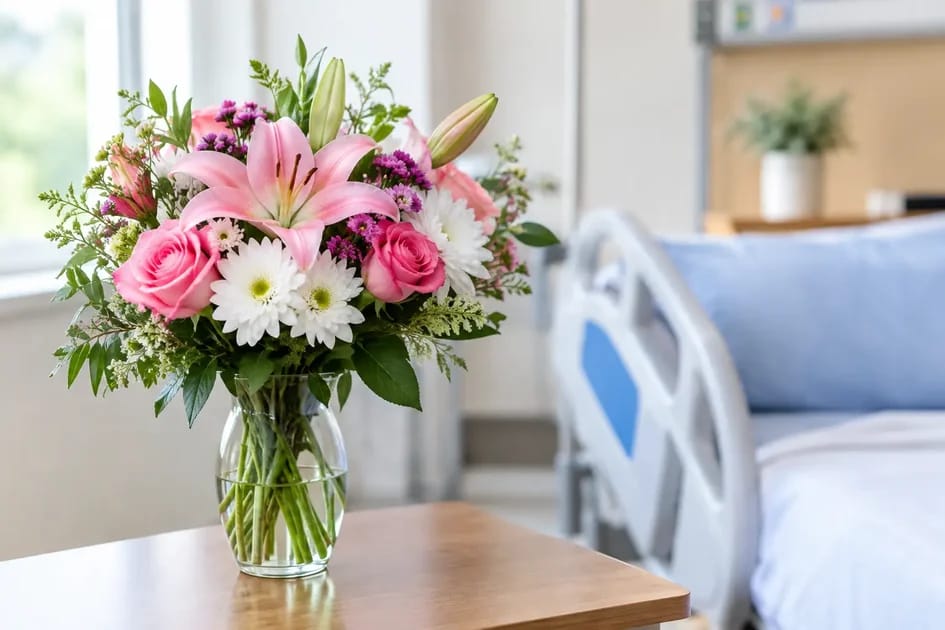
Flowers are another lovely option for the home. Choose an arrangement that feels warm rather than overly formal. Bright blooms can add color to a bedroom or living room, but it is wise to keep the size manageable. A very large arrangement may be beautiful, yet it can be difficult to place in a small space or maintain during a busy recovery period.
For a hospital stay
Hospitals often have policies that affect what can be delivered. Some units do not allow flowers because of allergies, infection-control measures, or limited room space. Others restrict fresh food or require gifts to be received at a specific desk. A quick call to the hospital or a message to a close family member can prevent a kind gesture from being turned away.
When flowers or food are not suitable, choose a compact, non-intrusive gift. A small hamper with shelf-stable items may work if permitted, but always check dietary restrictions first. In many cases, sending your gift to the recipient’s home for their return can be the most thoughtful option.
For a long or emotionally difficult recovery
Long-term recovery can feel isolating, especially when the recipient has received many early get-well messages and then faces weeks or months of healing. A gift sent later can have a meaningful impact because it shows your care has not faded after the first few days.
Choose something that feels gentle and sustaining. A fruit basket, a modest gourmet hamper, or flowers paired with a sincere wish card can offer a welcome moment of encouragement. Keep your message honest and warm. “Thinking of you and wishing you steady, restful days ahead” is often more comforting than telling someone to “get well soon” when their path may be uncertain.
Choose Food Gifts Thoughtfully
Food can bring real comfort, but it requires more consideration than most people realize. Before sending chocolates, cookies, fruit, or a snack hamper, consider whether the recipient has allergies, diabetes, dietary limitations, nausea, or treatment-related food restrictions. If you do not know, ask someone close to them rather than guessing.
Fruit baskets are a versatile choice because they feel fresh, generous, and easy to share. They can suit a household as well as an individual, which is helpful when family members are helping with care. Still, fresh fruit may not be appropriate for every medical situation, particularly if the recipient has been advised to follow a specific diet.
Chocolate arrangements and sweet hampers can be wonderfully uplifting for someone who enjoys a treat and has no restrictions. They are best for a lighter recovery, a friend recovering at home, or a family you know well. When in doubt, balance indulgent items with practical choices rather than sending an oversized box of sweets.
Let Flowers Bring Comfort, Not Extra Work
Flowers have a special way of making a room feel less clinical and more hopeful. They are a thoughtful recovery gift for a colleague, friend, relative, or partner, particularly when you want your gesture to feel caring without becoming too personal.
The right arrangement depends on the recipient. Soft, calming colors can feel peaceful for a close family member, while brighter flowers may suit a friend who loves color and humor. If allergies are a concern, ask the florist for lower-fragrance options. For someone with pets, it is also sensible to choose pet-safe flowers or ensure the arrangement can be kept out of reach.
Fresh flowers do need water and occasional care, so think about who will be there to help. If the recipient lives alone and has limited mobility, a smaller, easy-to-place arrangement is usually kinder than an elaborate display. Thoughtfulness is often found in choosing less, but choosing well.
Make the Wish Card Do the Emotional Work
A recovery gift is more memorable when the message feels genuine. You do not need to write a long note or find perfect words. In fact, a short message is often best when someone is overwhelmed or unwell.
For a colleague or business contact, keep it warm and respectful: “Wishing you a smooth recovery and plenty of time to rest.” For a close friend, you can be more personal: “Sending a little brightness your way. Take all the time you need.” For family, a simple reminder of support can mean everything: “We’re here for you, and we’re thinking of you every day.”
Try not to center the message on your own worry or ask for medical details. Avoid phrases that place pressure on the recipient, such as “Hope you’re back to normal soon.” Recovery rarely follows a neat schedule. A kind note should feel like support, not an expectation.
Get the Delivery Timing Right
A perfectly chosen gift can lose some of its impact if it arrives at the wrong time. Before arranging delivery, confirm the recipient’s address, hospital room or ward details if applicable, and whether someone will be available to receive it. For home deliveries, it can be helpful to coordinate with a spouse, adult child, neighbor, or caregiver, especially if the recipient is resting during the day.
Same-day delivery can be a lifesaver when you have just learned about a surgery, accident, or sudden illness. It allows you to respond with care while the moment is still fresh. However, a planned delivery can be equally meaningful for a recovery that will take longer. There is no rule that says support must arrive immediately to count.
For busy gift buyers, curated recovery hampers remove much of the guesswork. Petals & Chocs makes it easier to choose a presentable floral gift, fruit basket, or gift set when you want to send care quickly and include a personal wish card.
The right recovery gift is not about finding a cure in a basket or bouquet. It is about giving someone a small, gentle reminder that they do not have to carry a hard season alone. Choose with care, send when it will help most, and let your gesture quietly speak for you.