
How to Send Apology Flowers That Feel Sincere
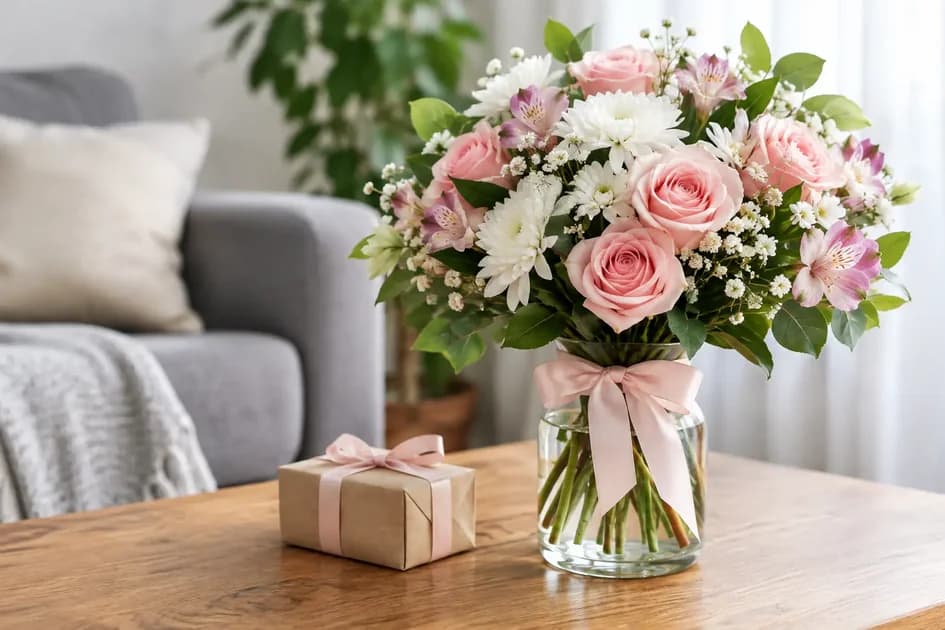
A rushed “sorry” text can feel smaller than the hurt it caused. When you are not sure how to begin a difficult conversation, knowing how to send apology flowers can help you show care without pretending that a bouquet alone fixes everything. The right flowers, sent with honest words and respectful timing, say: “I know I hurt you, and I am taking this seriously.”
Flowers are a gesture, not a substitute for accountability. They work best when they support a genuine apology, whether you forgot an important date, spoke carelessly, arrived late, or let someone down when they needed you. A thoughtful arrangement can soften the distance and make it easier to open the door to conversation.
Start With a Real Apology
Before choosing roses, lilies, or a gift basket, be clear about what you are apologizing for. A meaningful apology is specific. Instead of writing, “Sorry if you were upset,” acknowledge your part: “I am sorry I missed your birthday dinner. I understand that it made you feel unimportant.”
This matters because vague apologies can place the burden back on the recipient. They may feel as though you want the uncomfortable moment to disappear rather than truly understand what happened. Flowers should reinforce your message, not distract from it.
If the situation is serious, send the flowers alongside a request to talk when they are ready. Do not pressure them to respond immediately. A line such as, “I would like the chance to apologize properly when you feel comfortable,” shows patience and respect.
Choose Flowers That Match the Relationship
There is no single “sorry bouquet.” The best choice depends on who you are apologizing to, what happened, and their personal taste. A grand red rose arrangement can be meaningful for a partner after a relationship misunderstanding, but it may feel overly romantic when apologizing to a friend, colleague, or family member.
For a partner, soft pink roses, tulips, or mixed blooms in gentle shades can express affection, appreciation, and a desire to reconnect. If you know they love a particular flower, choose it. Remembering their favorite color or bloom often means more than following traditional flower symbolism.
For a friend or family member, a bright mixed bouquet, sunflowers, gerberas, or cheerful carnations can feel warm without being too intense. These flowers carry a hopeful, caring energy and are well suited to an apology after a forgotten call, an argument, or a missed occasion.
When apologizing in a professional setting, keep it modest and appropriate. A small floral arrangement, a fruit basket, or a polished gift set is often a better choice than romantic flowers. Avoid anything that may make a colleague uncomfortable or seem excessive for the situation.
How to Send Apology Flowers Without Overdoing It
The size of the gift should match the moment. A small oversight does not require an extravagant arrangement, while a larger gesture can sometimes feel like an attempt to buy forgiveness. Think about what would make the recipient feel seen rather than overwhelmed.
A simple bouquet with a well-written card is often enough. If you are apologizing to a close partner or family member, adding chocolates or a comforting gift can make the delivery feel more personal. The key is restraint. Choose something thoughtful because it suits them, not because it is the most expensive item available.
It also helps to consider their circumstances. If they are working long hours, a practical delivery to their office may brighten a difficult day. If they value privacy or need space, home delivery without an expectation of a face-to-face meeting may be kinder. For someone with allergies, pets, or a preference for low-maintenance gifts, a hamper or chocolate arrangement may be a better fit than fragrant flowers.
Write a Card That Sounds Like You
The complimentary wish card is where the apology becomes personal. Keep it brief, honest, and free from excuses. You do not need to write a long letter on a small card, but you should avoid generic phrases that could be sent to anyone.
A good apology card usually includes three things: what you did, recognition of how it affected them, and a sincere expression of regret. You can also add what you plan to do differently, as long as you mean it.
For example, you might write: “I am sorry for speaking to you impatiently yesterday. You did not deserve that, especially after everything you were trying to handle. I care about you, and I will do better at listening before I react.”
For a missed occasion, try: “I am truly sorry I let your special day pass without showing up for you. You matter so much to me, and I understand why you are hurt. I hope these flowers bring a little brightness while I make this right.”
Avoid adding “but” after your apology. “I am sorry, but I was stressed” turns an apology into a defense. You can explain context later if it is useful, but the first message should make room for the other person’s feelings.
Get the Timing Right
Sending flowers promptly can show that you recognize the mistake and are not avoiding it. If you have just had an argument, though, immediate delivery is not always the best move. Some people need a few hours or a day to cool down before they can receive a gesture openly.
Ask yourself whether the recipient would appreciate a quick delivery or whether they have asked for space. If they have clearly said they do not want contact, respect that boundary. An apology should never become a way to push past someone’s wishes.
When time is right and the apology cannot wait, same-day delivery can be especially helpful. It allows you to act on your intention while the moment is still fresh, whether you need to send flowers to a home, workplace, hospital, or celebration venue. Check the delivery window carefully, provide the correct contact details, and include any useful instructions for the recipient or building staff.
For last-minute apologies in Kuala Lumpur and Selangor, Petals & Chocs offers express same-day delivery options, with support available for urgent orders. That kind of reliability matters when you want your gesture to arrive fresh, presentable, and at the time it can mean the most.
Let Your Actions Carry the Apology Forward
A beautiful bouquet can start a conversation, but what happens afterward matters more. If you promised to call, call. If you said you would be more considerate, show it in the small moments that follow. Trust is usually rebuilt through consistency, not one perfect gift.
Be prepared for any response. They may thank you right away, need time, or still feel hurt. Their reaction does not determine whether your apology was worthwhile. Your role is to be sincere, listen without becoming defensive, and give them room to decide what they need.
There are also moments when flowers may not be appropriate. If the issue involves a serious breach of trust, repeated behavior, workplace boundaries, or a request for no contact, a bouquet may feel inadequate or unwelcome. In those cases, a direct, accountable apology and changed behavior are more meaningful than a delivery.
A Thoughtful Gesture, Not a Finish Line
The most effective apology flowers are never just about the flowers. They show that you paused, considered the other person, and chose a gesture with care. Pick an arrangement that suits them, write words that take responsibility, and send it at a time that respects their needs.
Then let the bouquet do what it does best: bring a little softness to a hard moment. The real repair comes from the honesty and care you offer after it arrives.